




Why Erie KitchensShow,
don't claim.
Every kitchen company says it cares about quality. Here is what that looks like when it's drawn, built and installed. Five differences, each with the evidence beside it.
01
Architectural approach
The kitchen takes its lines from the house.
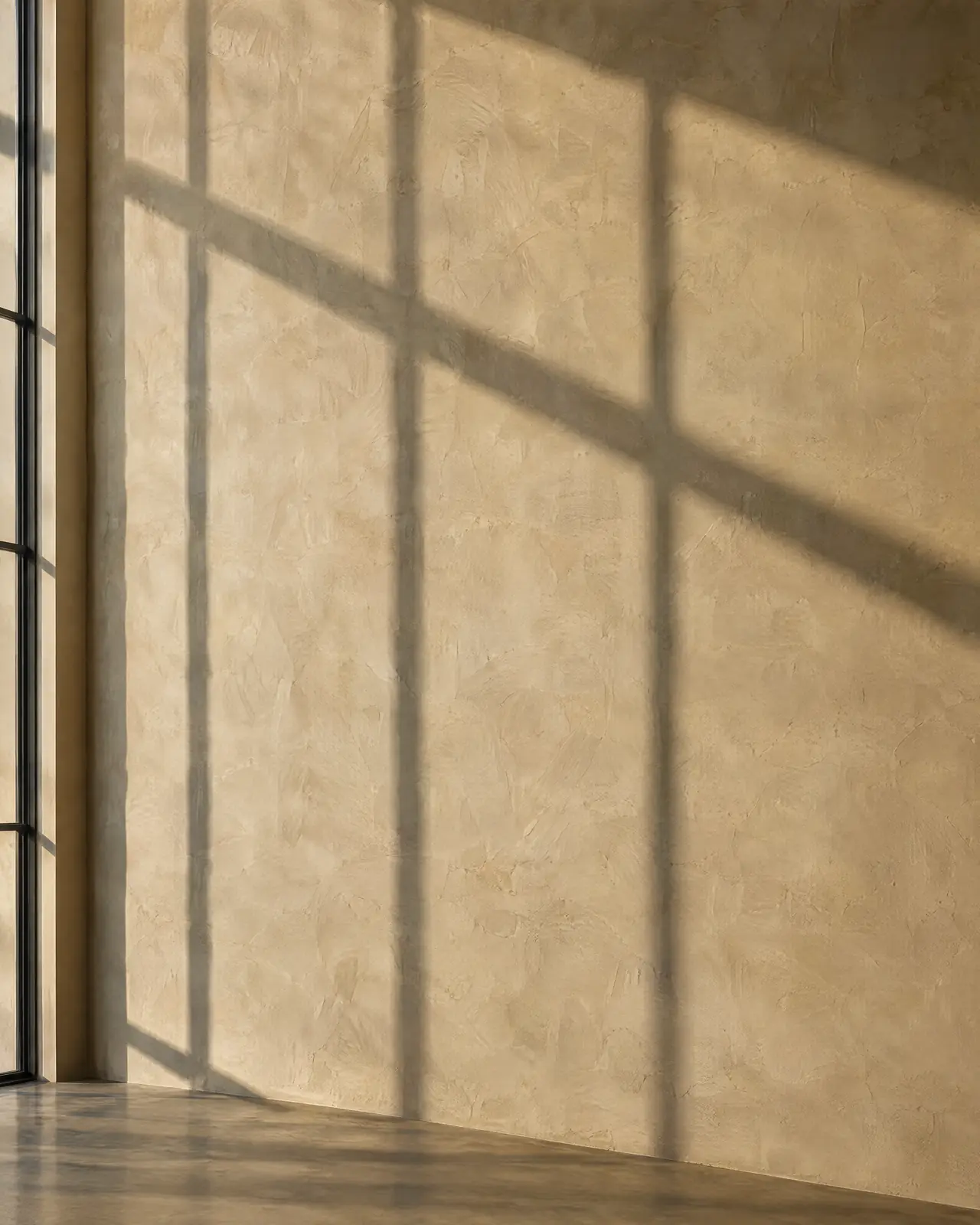
An island centered on the window mullions. A hood on the room's true axis. Tall cabinetry that stops at the beam, not a stock height.
Kitchen design02
Precision
Reveals that hold their width from the first door to the last.
Fronts divided from the actual wall length, so there are no filler strips at the ends taking up the slack.
Custom cabinetry03
Material knowledge
Stone, timber and metal chosen for how they age.
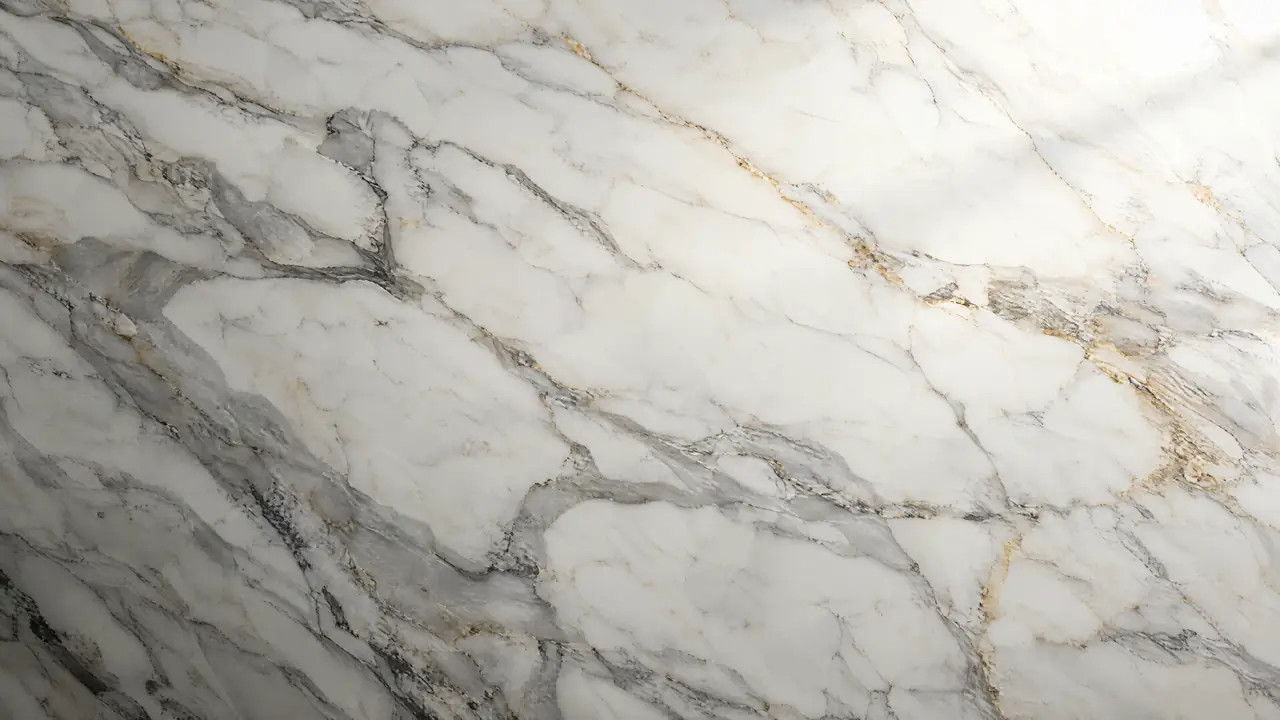
Honed or polished, quartzite or marble, lacquered or living bronze: each decision explained against how the kitchen will actually be used.
Materials04
Craftsmanship
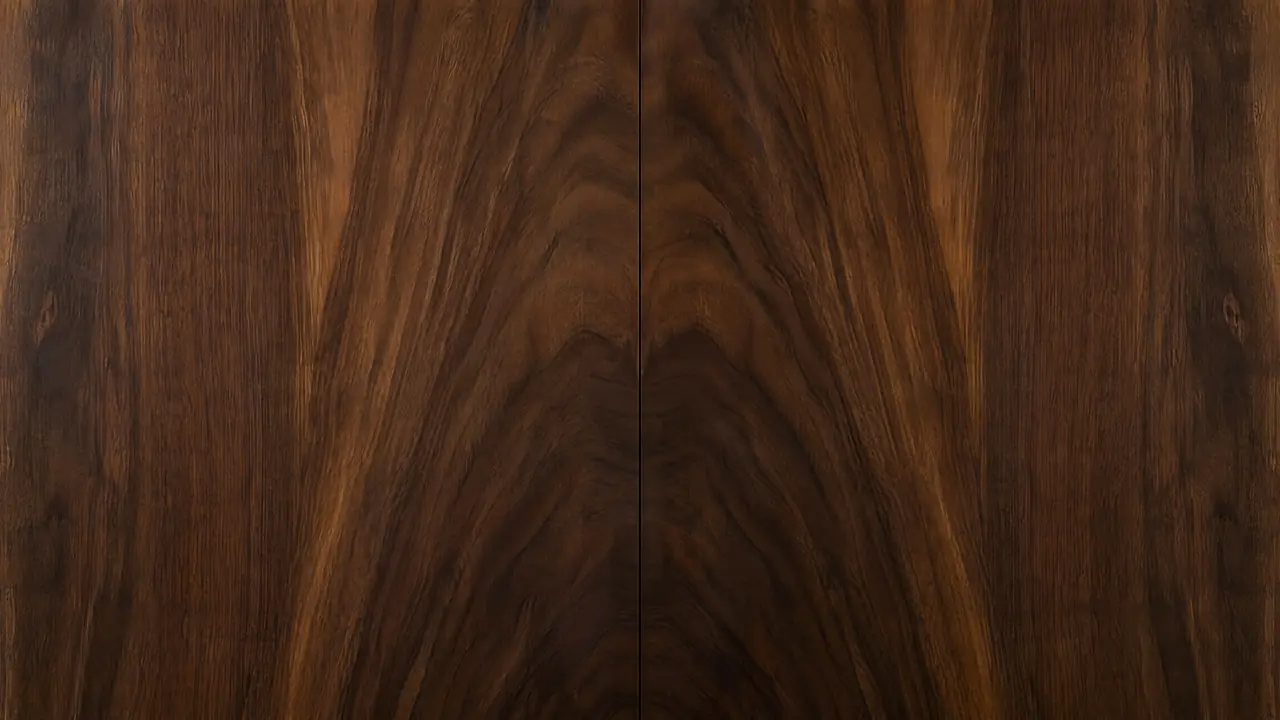
Grain that runs on across a whole wall.
Veneer sequenced across every door and drawer in order, so a run of cabinetry reads as one piece of furniture.
Cabinetry construction05
Coordination
One drawing set, used by every trade.
Appliances, rough-ins, cabinetry and stone resolved on paper before anything arrives on site, so changes happen once, everywhere.
Design processThe test we apply to everything
Would this feel appropriate in a kitchen inside a ten-million-dollar residence? If not, simplify it.
It's the question from our own brand standards, and it settles more design debates than any other. Usually the answer is to take something away.