


Cabinetry · 8 min read ·
Wood Cabinetry in Colorado's Dry Air
What low humidity, high altitude and strong sun do to timber, and how to specify around them.
Wood never stops responding to the air around it. In most of the country that's a minor detail. Along Colorado's Front Range it becomes a design decision, because the air here is unusually dry for much of the year, the sun is strong and Erie sits a little above 5,000 feet. Specify wood cabinetry as if it were going into a coastal house and you'll see the results by the second winter: gaps opening in inset doors, hairlines at painted joints and panels that no longer sit flat. Here's how we think about timber in this climate.
Why wood moves
Wood is hygroscopic. It takes on moisture from humid air and gives it back to dry air until it reaches equilibrium with its surroundings, a balance known as equilibrium moisture content. As it gains and loses moisture, it swells and shrinks.
The movement isn't uniform. Wood barely changes along its length, but it moves noticeably across the grain, and more across the growth rings (tangentially) than through them (radially). That's why a wide flat-sawn panel cups, and why rift-sawn and quartersawn boards, with their growth rings closer to vertical, are more stable.
What a Front Range winter does indoors
Cold outdoor air holds very little moisture. Heat it to room temperature and its relative humidity falls dramatically, which is why Colorado homes running forced-air heat can sit in the teens or low twenties for weeks at a time without a humidifier. Then summer storms arrive and humidity climbs again.
That seasonal swing is the real issue. Most cabinetry and wood flooring manufacturers publish a humidity range for their products, typically somewhere between about 30 and 55 percent relative humidity, and many tie their warranties to it. A dry Colorado house can spend much of the winter below that band.
| Construction | Risk in dry air | How to specify for it |
|---|---|---|
| Wide solid-wood slab doors | Cupping, splitting, warping | Use veneer on a stable core instead |
| Five-piece doors, solid panel | Panel shrinks, exposing unfinished edges | Finish panels before assembly; let them float |
| Painted five-piece doors | Hairline cracks at the joints | Choose painted slab on MDF or a stable core |
| Inset doors | Reveals open in winter, bind in summer | Set reveals for the season of installation |
| Veneer on stable core | Low | Quality veneer, sealed edges, balanced backs |
Specifying wood cabinetry for Colorado
The good news is that dry air is entirely manageable if it's designed for. A few rules carry most of the weight.
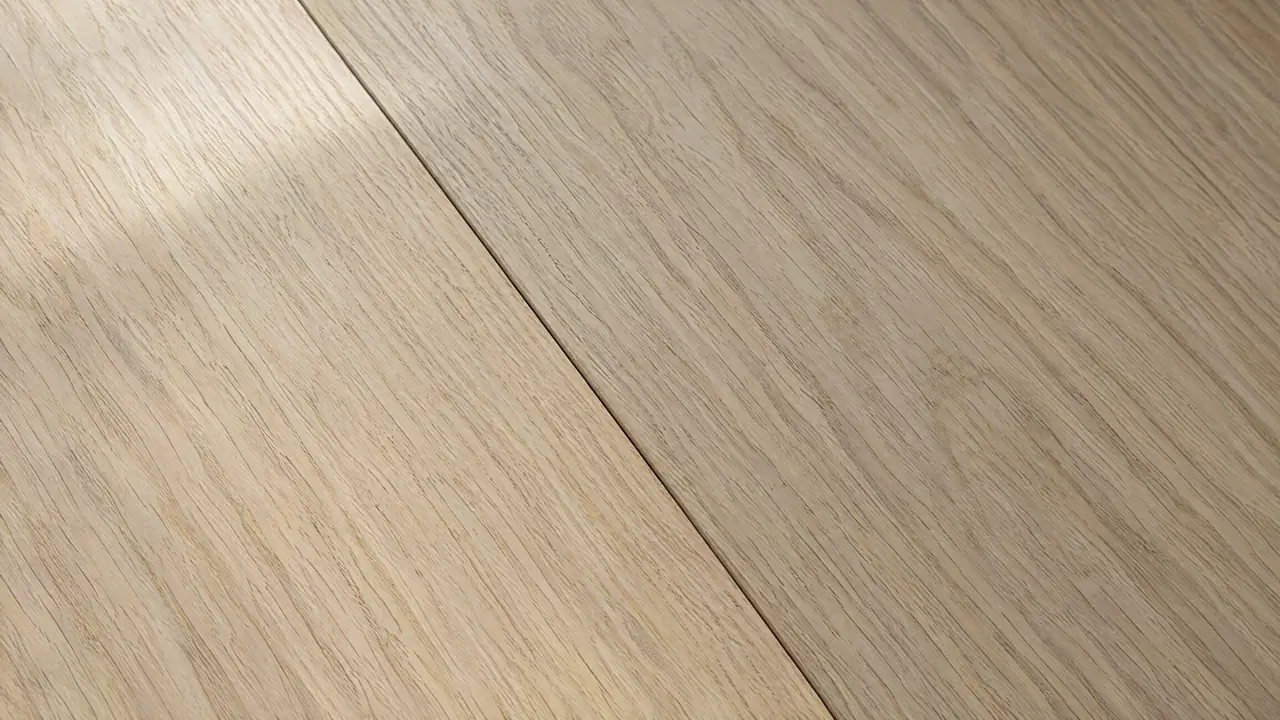
- Prefer stable cuts. Rift-sawn white oak and quartersawn stock move less than flat-sawn boards.
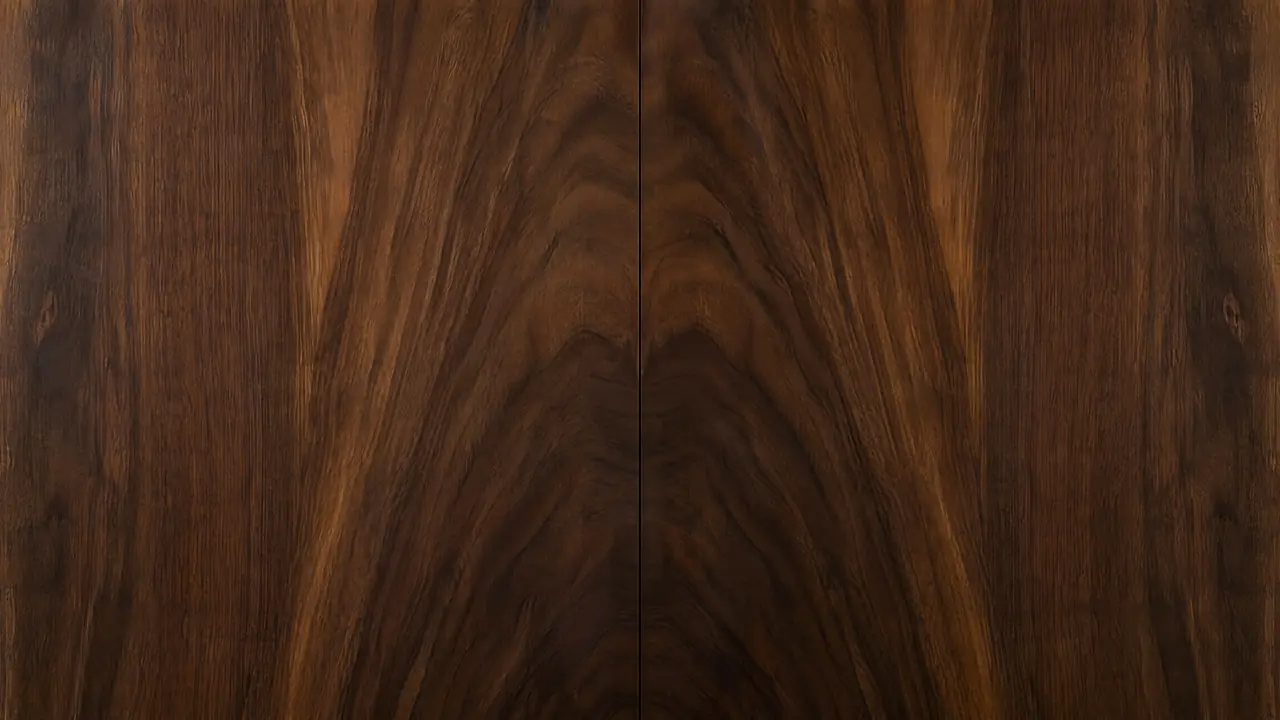
- Use veneer where it makes sense. A book-matched veneer over a stable core keeps large flat fronts flat and lets you sequence figure across a whole wall.
- Let solid panels float. In five-piece doors, the center panel should sit loose in its groove, finished before assembly so a dry winter doesn't reveal a raw edge.
- Finish every face. Sealing backs and edges as well as fronts slows moisture exchange and keeps it even, which reduces cupping.
Installation and acclimation
New construction is wet. Concrete, drywall compound, paint and plaster all release moisture for weeks. Delivering cabinetry into that environment, then running the furnace hard for the first winter, puts timber through the worst possible swing.
For the house itself, a whole-house humidifier tied into the HVAC system is the most reliable fix. Aim for the middle of your cabinetry maker's published range through the winter, but watch your windows: on very cold nights, too much indoor humidity condenses on glass. A good humidistat with an outdoor temperature sensor manages that balance automatically.
Altitude, sunlight and color
UV radiation increases with elevation. The World Health Organization puts the rise at roughly 10 percent for every 1,000 meters, and Erie sits around 1,550 meters. That accelerates the color change every wood goes through. American walnut gradually lightens toward a warm honey tone. Cherry darkens. Oak under an oil finish ambers. None of these changes are defects, but they are predictable, so plan for them.
- If a run of cabinetry faces large west or south windows, consider UV-filtering glass or window treatments, or choose a species whose aging you'll enjoy.
- If you want walnut to stay dark, ask about finishes with UV inhibitors and keep it out of direct afternoon sun.
- If cabinetry is installed in stages, keep spare panels and fronts in the same light, so later additions match the color the kitchen has already reached.
Read more about construction choices on our custom cabinetry page, compare walnut and white oak in the material library, or start a conversation about your own kitchen.